


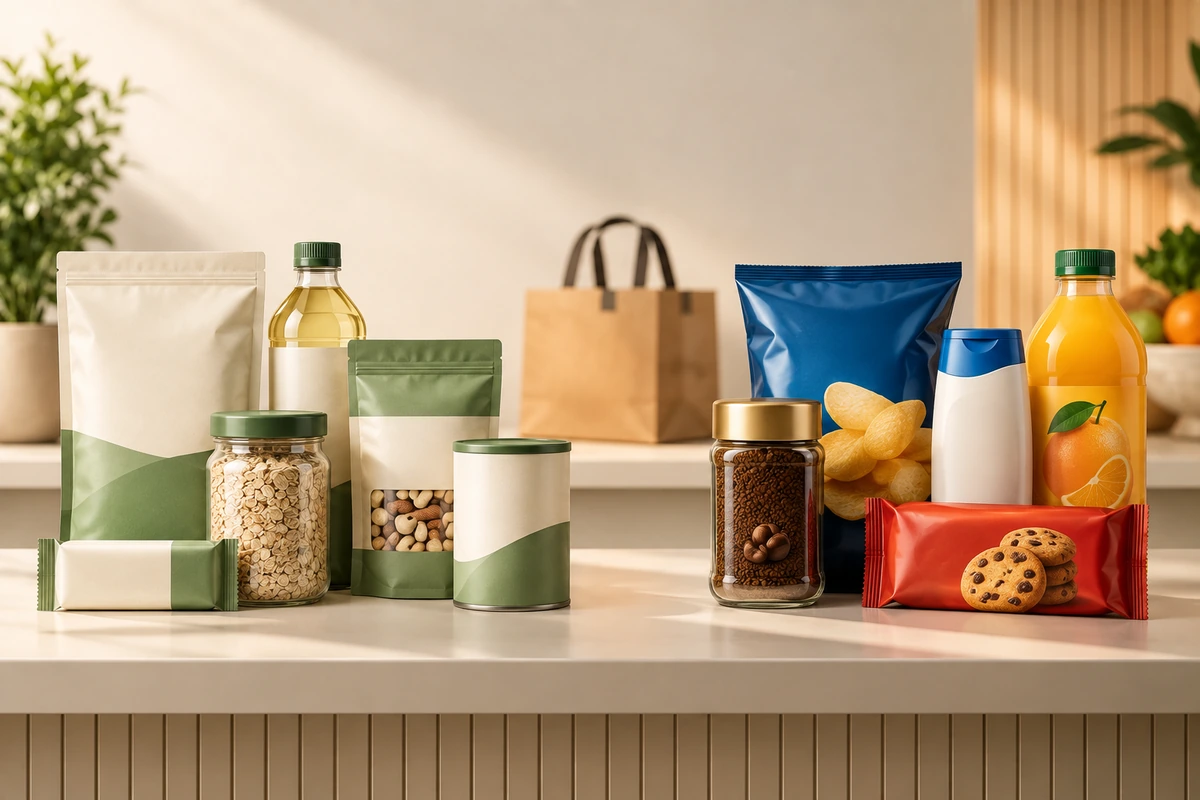
Private Label vs Branded Products on quick commerce platforms isn’t a distant threat for FMCG brands; it’s already reshaping how these platforms make money. As of Q2 FY26, roughly 90 percent of Blinkit’s sales flow through its own first-party inventory model, and a private-label product typically carries 30 to 40 percent higher gross margin than a comparable branded item, according to industry estimates. That math gives every major quick commerce platform a direct financial incentive to nudge shoppers toward products it owns or profits from more heavily, in the same categories where branded FMCG companies are spending ad budget to compete.
Key takeaways (The TL;DR)
- Private-label products typically carry 30 to 40 percent higher gross margin than branded equivalents, giving quick commerce platforms a direct financial reason to favor their own products in high-margin categories.
- Roughly 90 percent of Blinkit’s sales now flow through its own first-party inventory model as of Q2 FY26, and Swiggy Instamart’s leadership has confirmed a similar shift is expected.
- Founders across snacks, beverages, and personal care categories have publicly flagged a real risk: once a branded D2C SKU demonstrates strong demand on a platform, it can become a data point the platform uses to inform its own private-label development.
- In India, 56 percent of consumers reported buying more private label products than a year earlier, exceeding the 50 percent global average, according to NielsenIQ’s 2025 outlook on the category.
Why Platforms Are Pushing Private Label So Hard
The economics are straightforward. A private-label product typically carries 30 to 40 percent higher gross margin than the branded equivalent, since the platform controls sourcing, cuts out a manufacturer’s brand margin, and captures more of the retail price itself. Blinkit has built this directly into its business model, with private-label margins listed alongside product margins, delivery fees, and advertising as core revenue streams, and around 90 percent of its sales now running through first-party inventory it purchases and resells directly. Swiggy’s own leadership has acknowledged a similar shift toward first-party inventory is expected industry-wide, while Zepto has so far leaned more on aggressive promotions and free delivery to compete rather than an equivalent private-label push.
The Real Risk for Branded Sellers: Your Data Becomes Their Product Roadmap
The more specific risk for branded D2C sellers isn’t abstract. Founders across snacks, beverages, and personal care categories have publicly described the same pattern: once a branded SKU demonstrates strong, consistent demand on a platform, that sales data becomes visible to the platform itself, and a private-label alternative in the same category sometimes follows. This doesn’t mean avoiding quick commerce platforms altogether, since the reach and order frequency they offer are real, but it does mean treating any single platform as a volume channel rather than a brand’s sole or primary revenue source, and being deliberate about which SKUs and formulations get the platform’s full visibility first.
Where Branded Products Still Win
Private label isn’t winning everywhere, and it isn’t likely to. NielsenIQ’s research points to a genuine brand halo effect: private-label products actually perform better when placed near well-known branded items, since proximity to an established brand lends the private-label option credibility rather than replacing demand for the brand itself. Categories built on genuine brand loyalty, distinctive formulation, or an emotional connection a shopper has built over years are far harder for a generic private-label alternative to displace than commodity staples where price is the primary decision factor. The products most exposed to private-label substitution tend to be simple, undifferentiated categories, not brands with real equity behind them.
How to Protect a Branded Product’s Position
A few practical moves reduce exposure. Diversifying across multiple quick commerce platforms, rather than concentrating volume on one, limits how much demand data any single platform sees from a brand. Investing in genuine product differentiation, formulation, packaging, or a specific use case, gives a platform less reason to treat a SKU as a simple, substitutable commodity. And building brand equity through advertising and content that a private-label alternative can’t easily copy protects the parts of a purchase decision that aren’t just about price or convenience.
How AKOI Approaches This
AKOI’s quick commerce marketing team helps brands diversify demand across Blinkit, Zepto, Swiggy Instamart, Amazon Now, Flipkart Minutes, and BigBasket rather than concentrating volume on a single platform, while building the brand equity and differentiation that make a product harder to substitute with a generic private-label alternative.
Conclusion
Private label isn’t a hypothetical competitor on quick commerce platforms, it’s already built into how the biggest players make money, and the incentive to expand it will only grow. NielsenIQ’s 2025 outlook on private label and branded products confirms this isn’t unique to India or to quick commerce specifically, but the hyperlocal, platform-owned nature of quick commerce makes the dynamic sharper and faster-moving than in traditional retail. Branded sellers that diversify across platforms, invest in real differentiation, and treat any one platform’s data visibility with appropriate caution are the ones best positioned to compete with it.
Frequently Asked Questions
Why do quick commerce platforms push their own private-label products?
Private-label products typically carry 30 to 40 percent higher gross margin than branded equivalents, giving platforms a direct financial incentive to grow their own product lines in high-margin categories.
Can a quick commerce platform copy a branded product that’s selling well?
Founders across several FMCG categories have publicly described this happening: once a branded SKU shows strong, consistent demand, that data becomes visible to the platform, and a private-label alternative sometimes follows in the same category.
Which categories are most at risk from private-label competition?
Simple, commodity-style categories where price is the main purchase driver tend to be most exposed, while categories built on strong brand loyalty or genuine product differentiation are harder for a generic private-label alternative to displace.
How common is private label buying in India?
56 percent of Indian consumers reported buying more private label products than a year earlier, exceeding the 50 percent global average, according to NielsenIQ’s 2025 outlook on private label and branded products.
Should a brand avoid quick commerce platforms because of private-label competition?
Not necessarily. The reach and order frequency these platforms offer are real, but brands are better served treating any single platform as one channel among several rather than a primary or sole revenue source.
Does being near a private-label product on a quick commerce app hurt a branded product’s sales?
Not necessarily. NielsenIQ’s research points to a brand halo effect where proximity to a well-known brand can actually lend the private-label option credibility, rather than pulling demand away from the established brand.